Why we exist
The violence ended. The division didn’t.
In 1976, Wilmington was paying attention to Northern Ireland. The Troubles — the long conflict between Catholic and Protestant communities — were at their height, and in towns like Belfast, Portadown, and Derry the two communities increasingly lived separate lives: separate schools, separate neighborhoods, separate churches, separate sports. It was the kind of crisis that most people watched from a distance and felt helpless about.
Charles and Josephine Robinson didn’t watch from a distance. Charles was a founding member of Pacem in Terris — Latin for Peace on Earth — an interfaith peace organization founded in Wilmington in 1967 by clergy and community leaders who believed that local people had a responsibility to work on global problems. In 1976, Pacem in Terris partnered with Canon Kerry Waterstone of the Church of Ireland to bring the Ulster Project to Delaware. The idea was simple and ambitious at the same time: take twenty teenagers from Northern Ireland — ten Catholic, ten Protestant — and pair them with Wilmington teens for a month. Put them in the same houses, the same cars, the same service projects. Let the distance collapse on its own.
An alum of that very first project, fifty years ago, told us their group came to the airport in the middle of the night — tensions at home were that high.
It worked. That first summer, twenty Northern Irish teens came to Wilmington, were matched with local families, and went home having made friends across a line that, back home, you did not cross. Trust and peace broke out, one teen friendship at a time. The Robinsons and Pacem in Terris had answered a question that most people weren’t even asking: what can one city do?
Delaware has been answering it every July since.
Ulster Project Delaware is now the oldest continuously running Ulster Project in the United States. Since 1976, more than 710 Northern Irish teenagers and 136 adult leaders have made the trip from Portadown, Banbridge, and Coleraine to spend a July in Delaware. Nearly 1,500 teens in total — on both sides of the Atlantic — have been through the program.
The Good Friday Agreement ended the violence in 1998. It didn’t end the division. Peace isn’t only the absence of conflict — it’s whether neighbors actually know each other, and in Northern Ireland most still don’t. Only about 8% of children attend integrated schools; the rest go to schools that are almost entirely Catholic or almost entirely Protestant. Nine in ten people in social housing live in communities divided along the same line. A teenager can turn sixteen having never had a real conversation with someone from the other community — not out of hostility, just distance nobody built a bridge across.
That’s the gap this project still closes, and it closes in the least dramatic way imaginable — two fifteen-year-olds sharing a bathroom for four weeks, arguing about music, taking turns on dishes. Peace agreements get signed by governments. The habit of trusting someone you were raised to be wary of has to be learned by people, one at a time, young enough for it to hold.
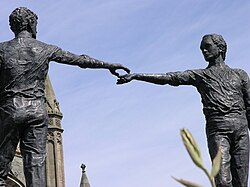
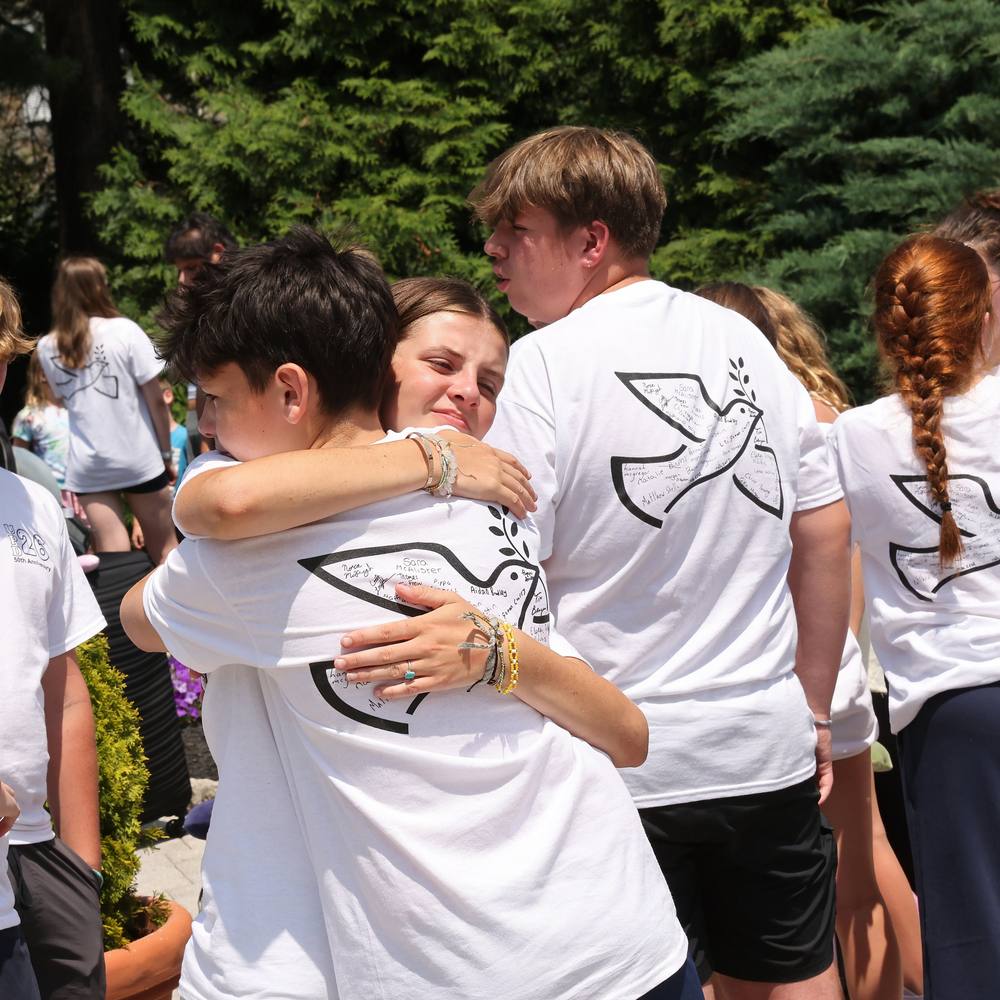
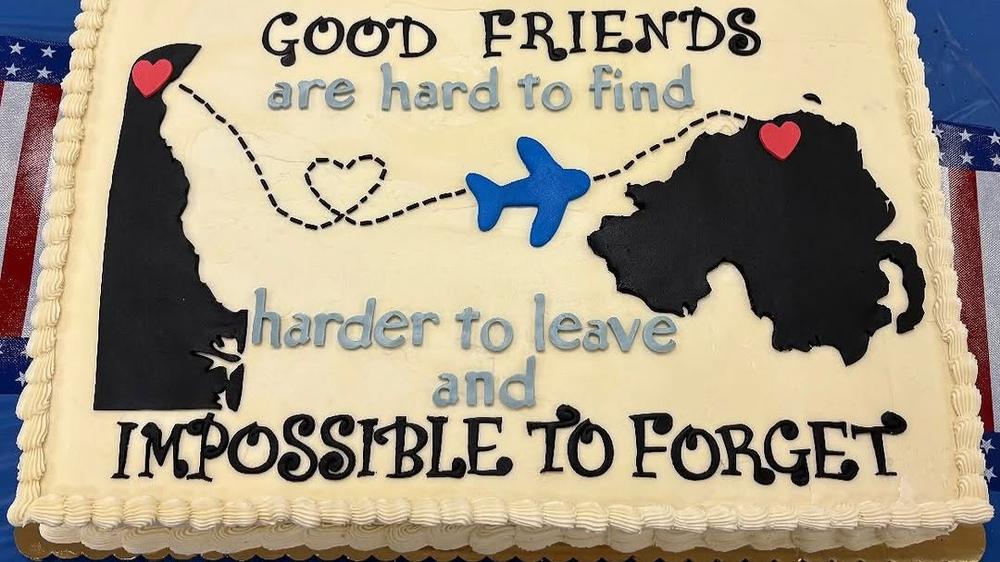
Half a century later the work isn't winding down. Between a generation that has no memory of the Troubles and neighborhoods still divided street by street, the Ulster Project spurs peacebuilding more than ever.
Fifty Julys on, we still need exactly one thing to make it happen.
Fifty years
On July 19, 2026, we marked fifty years of this.
Fifty years since Charles and Josephine Robinson and Pacem in Terris brought the Ulster Project to Delaware. The anniversary was held at Mauchline Manor in Wilmington, with recorded messages sent from the Northern Irish committees who have been sending us teenagers the whole time.
Nearly 1,500 Delaware and Northern Ireland teens have taken part in Ulster Project Delaware since 1976.
James Donnelly and Johnny Douglas from Portadown, James Hudson from Banbridge, and Phyllis McGraw and Stephen Smith from Coleraine all sent words. Then-Board President Jon Walling and Executive Director Alex Insel spoke for Delaware.
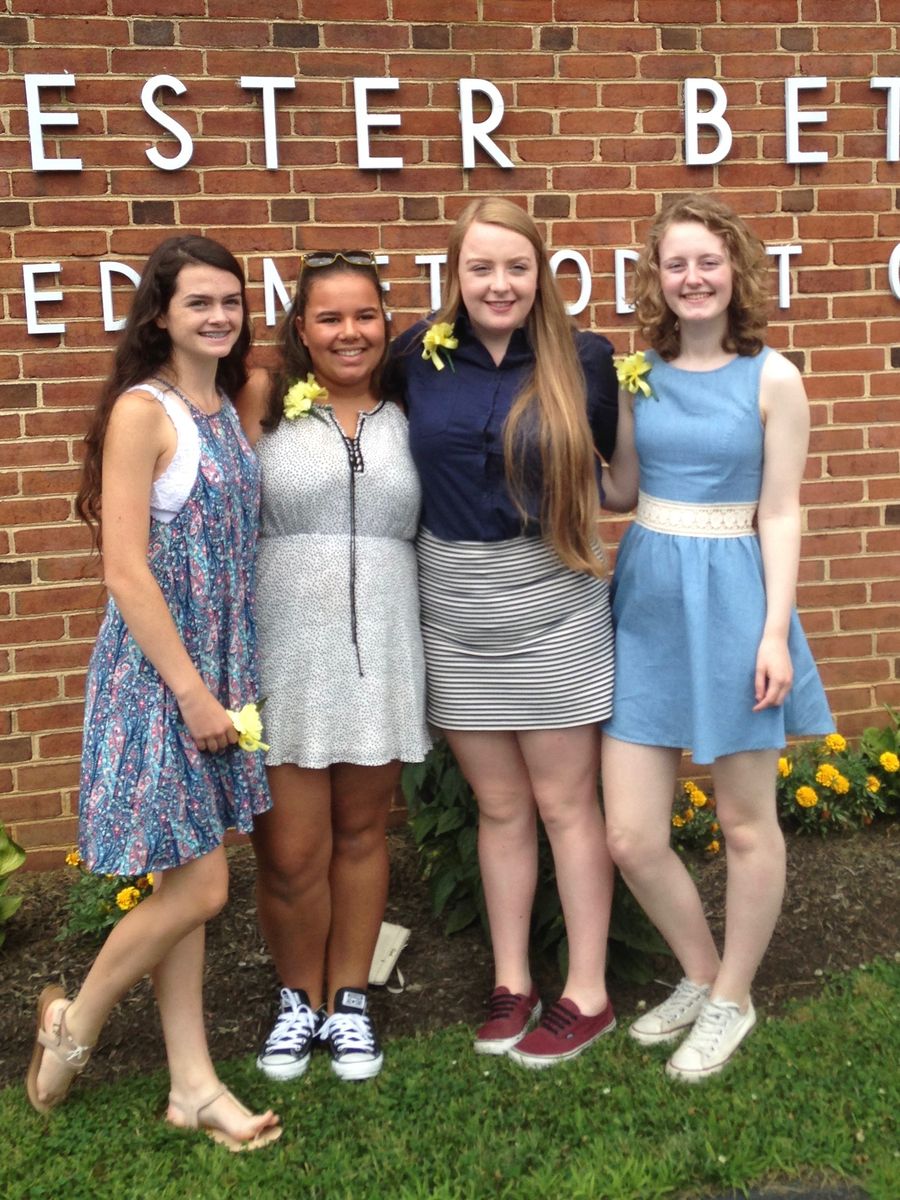
The messages, the videos, and the program from the evening live on in our memories — and in the photos scattered throughout this page.
Governance
Who runs Ulster Project Delaware
Ulster Project Delaware has one paid staff member. Everyone else — the board, the group leaders, the host families — is a volunteer. And every summer, nearly 30 teenagers and leaders carry this organization’s name across Delaware and back to Northern Ireland. The one paid role exists to make sure the train runs on time and the program quality holds.
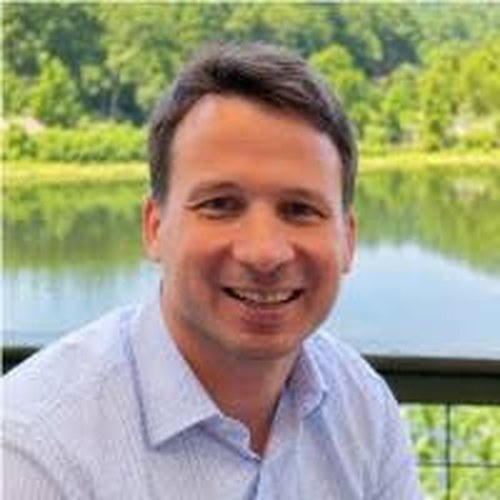
- Current roleNational Director of Startup Programs & Growth, Devereux — a $600M national nonprofit
- EducationPhD in Professional Practice (in progress), Eastern University · M.S. in Education, Johns Hopkins · B.A. International Studies, Washington College
- AlsoAdjunct professor of Business & Finance, Harcum College · Former Teach For America special education teacher
Youth development background
Youth development across three sectors
Before moving into nonprofit program work: a decade with the YMCA in youth development (resident-camp director, teen counselor training), military family programming, and work as a special educator — all centered on the same 14–16 age range UPD hosts.
Board leadership
The board, in their own words
Some of the people who have carried this program for decades — and why they give their time to it.
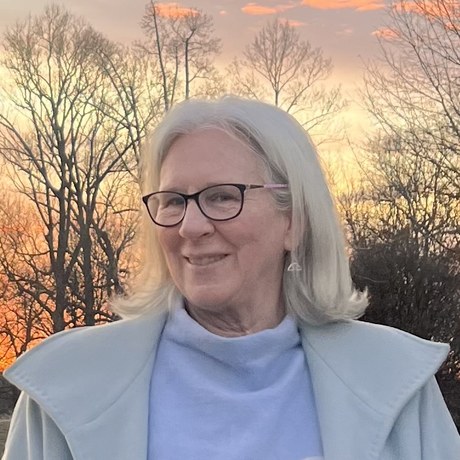
I have been involved with Ulster Project Delaware for more than 30 years. My family has hosted teens and leaders from all three of the UPD towns in Northern Ireland. I am a retired special education teacher, currently working part-time as a tour guide at a local museum and volunteering as a mentor at my neighborhood elementary school.
In my free time, I enjoy genealogy research and traveling with my husband, children, and grandchildren. Through my involvement with the Ulster Project Delaware, I see a process that unites communities and brings peace to future generations.
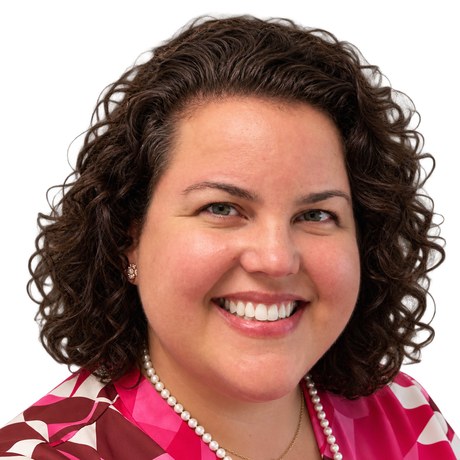
When I joined the UPD Board of Directors in 2012, I knew UPD had a history of promoting peace and connection among its young participants, but I could not yet grasp how profoundly it would shape my own life. I served as Discovery Leader for UPD 2013, 2014, 2015, and 2016 and served as Executive Director from 2016–2026. This work has changed me. It has made me a better listener, a better teacher, and — I hope — a better person.
When I stepped aside from my leadership role within the program, it was with immense pride in what we have built together and with tremendous hope for what will continue to unfold. Although I have stepped down, I have not stepped away from the mission and the community that has become a part of my heart. I look forward to volunteering and working with the Discovery committee.
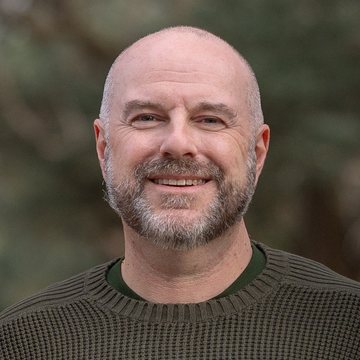
Our family has been directly involved in Ulster Project Delaware for more than a decade, with all three of our sons participating. We’ve hosted a leader and built lasting relationships with wonderful families we’d otherwise never have met. I’m thrilled to be able to give something back to UPD after all that it’s given to us.
I bring a 30-plus-year career of leading teams and driving results within large corporations to my board role. My focus is to use that experience to make sure we keep creating opportunities for both Northern Irish and American teens to learn to build bridges.
Structure
Board, executive, and program leadership
One paid staff member — the fractional executive director. Everyone else below is a volunteer, including every board member, group leader, and host family.
- Tara Strouss President
- Rob Porter Vice President
- Christina Alejandro
- Julie Bacon
- Erin Browne
- Cristin Buening
- Beth Costello
- Meaghan Dugan
- Jeffrey Jerista
- Cortney Jones
- Deirdre McCarrick
- Kathleen Moore
- Dennis Schofield
- Beth Smith
- Heike Sweeney
Partnerships
In good company
We’re proud to work alongside organizations that share our commitment to Delaware’s community and to understanding across borders.